Blog
DECEMBERDec 7 11 |
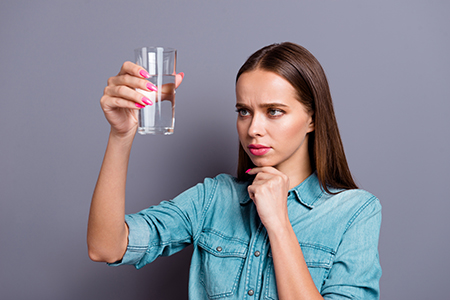
What's in your glass of water? |
|
| By Peter Strain | ||
![]() |
RADIOACTIVE CONTAMINANTS – WHAT DO WE K We all have heard about radiation and just the thought of it causes concerns. Below are some facts we need to know about this important subject. RADIATION…HOW DOES IT MAKE CONTACT WITH US?
WHERE IS THE HEALTH CONCERN? So, just 11% in water may not sound like a big concern, but it is. Ionizing radiations (which are a form of radiation that can detach electrons from, or ionize, other atoms as they pass through matter) have been studied over the last 70 years. Cumulative doses of ionizing radiation, “well below” what is acutely dangerous, have significant adverse long term health effects leading to cancer and genetic mutations (which might not appear for several generations). Most ionizing radiation is in the form of alpha or beta particles, which does not penetrate very far in the skin, etc. These are types of both particulate and electromagnetic radiation, alpha particles are nuclei of helium and will not penetrate the outer layer of our skin but is dangerous if inhaled or swallowed, whereas beta particles are electrons and are capable of penetrating much deeper into living matter. The main concern with low concentrations of slightly radioactive contaminates is what happens if they get inside us (via drinking ARE THESE CONTAMINATES FROM A NATURAL SOURCE? Well, believe it or not, the ones that concern us every day are from a natural source. Uranium (a naturally occurring radioactive metal) and radium (formed when uranium decays in the environment) is all around us and we are exposed to it every day. WHAT IS A URANIUM: The use of anion resin has long been a method of removing uranium. The EPA limit for uranium is 30 parts per billion (ppb) and anion resin with strong salt brine regeneration is used to reduce or remove it. When you find this to be a problem, there are many parameters you need to consider such as PH, TDS, and Sulfate. Proper testing and application is very important. RADIUM: The good news is that our Refineosoft water softener will do a good job in reducing or removing radium from RADON: One way to reduce radon is by using granular carbon. Carbon will absorb radon and hold it long enough for it to decay (after all, in 4 day old radon, life will be cut in half). PRODUCT INFORMATION We would not propose to you that our Refineosoft is the answer to treat high levels of Radon or Radium, but it does have the ability to treat this problem by way of reduction. The softener resin is for Radium and the granular carbon is for Radon and both types of Medias are present in the GREAT TO KNOW It is good to know that when you invest in a BONUS The Refineosoft is also capable of removing or reducing: Copper, Iron, Lead, Zinc, Nickel, Tin, and Cadmium. |
|
NOVEMBERNov 29 11 |
What's in your glass of water? |
|
| by Kaely Bell | ||
![]() |
Have you ever found yourself drinking a glass of water from the tap and thought it tasted a bit strange or looked a little cloudy in the glass? It is never a good feeling when you’re not 100% sure what is in the water you drink, bath and cook with every day. In every major Canadian city, water is managed and treated chemically with chlorine, ammonia and many other chemicals to avoid harmful bacteria. Whereas rural regions and private wells do not have water specialists checking for contaminants on a daily basis. This is why it is extremely important for people to learn about the water in their homes. One of the most water educated communities in Canada is Walkerton Ontario. Due to the e-coli devastation in 2000 these people are now highly aware of water issues. People in rural areas tend to be more knowledgeable about water issues because they’re much closer to it, whereas urbanites are disconnected and naive with their water and how it gets to their tap. Whether you live in the country or the city it is imperative to know what is going into your water. There are many systems available that treat water organically rather than chemically, leaving you with healthy uncontaminated water. Take the first step and get your water tested by a water specialist in your area, don’t let another glass of water leave you with doubt about your health and safety Call Water Depot today. |
|
|
Nov 16 11
|
Water Softener Benefits: Water Depot's Platinum Water Softeners |
|
|
by Peter Strain
|
||
|
|
Life is synonymous with water, and the quality of life is greatly affected by the quality of water available. Headquartered in Ontario, Water Depot's missions is to provide clients with the highest quality of water treatment options, in Ontario and beyond. Water Depot's cutting-edge water softeners are designed with the highest-standard materials available. Because of their construction, these water softeners are extremely precise in treating hard water, and at the same time, they are very durable and long-lasting. |
|
| These are just some of the problems that Water Depot's Platinum water softeners are designed to address. They remove the calcium and hardness, to give you the best quality of water for your household or organization. Water is of paramount importance to life, so it is important to keep the quality of water as high as possible.
By investing in a simple necessity like water, you can make a critical difference in the quality of your livelihood, so please contact Water Depot for product details, questions and answers, or to locate an Ontario-based store near you. Information can be found on-line at (http://www.waterdepot.com/), where you can browse for Platinum water softener product details, warranty information, and videos of the product in motion. You can also inquire about other Water Depot products, read FAQs, and learn about franchise opportunities and on-going promotional events. Please join Water Depot on Facebook (waterdepot) and Twitter (waterdepot1) for any upcoming information and offers. |